Have you ever heard the name Bethany and wondered what it means in the Bible? Maybe you saw this name in Scripture, heard it in a dream, or are thinking about it for a baby name.
Bethany is more than a beautiful biblical name. It is also the name of a special place where Jesus shared some of His most personal moments with His friends.
In the Bible, Bethany was a village near Jerusalem. It was home to Martha, Mary, and Lazarus, three people who were close to Jesus. Jesus visited their home, taught them, wept with them, and showed His power through the raising of Lazarus.
The Bethany meaning in Bible is often connected with ideas such as a house of figs, a place of affliction, fellowship, friendship, and God’s presence, depending on how the ancient name is understood.
Because the exact Hebrew origin is debated, Christians should be careful not to treat one meaning as the only possible answer.
Still, Bethany carries a beautiful spiritual picture. It reminds us that God meets people in ordinary homes, during pain, in friendship, and even in moments of loss.
So, what can Bethany teach us about faith and God’s presence? Let us look at its biblical story and deeper spiritual meaning.
Biblical Meaning of Bethany
The name Bethany appears several times in the New Testament. It was a village near Jerusalem, located on the eastern side of the Mount of Olives.
One of the most important Bible stories connected with Bethany is found in John 11. Jesus had close friends there: Lazarus and his sisters, Martha and Mary.
When Lazarus became sick, his sisters sent a message to Jesus:
“Lord, the one you love is sick.” — John 11:3
Jesus did not come at once. Lazarus died before Jesus arrived. Martha and Mary were deeply hurt.
When Jesus reached Bethany, Martha went out to meet Him. Later, Mary came too. Jesus saw their sorrow and wept.
“Jesus wept.” — John 11:35
This short verse gives Bethany a powerful Christian meaning. It shows that God is not distant from human pain. Jesus cared deeply about His friends. He entered their grief before He brought a miracle.
Jesus then went to Lazarus’s tomb and called him back to life.
“Lazarus, come out!” — John 11:43
This event connects Bethany with hope, resurrection, faith, and transformation.
Bethany as a Place of Friendship
Bethany was also a place where Jesus could be with people He loved. Luke 10:38–42 tells us about Martha and Mary welcoming Jesus into their home.
Martha was busy serving, while Mary sat near Jesus and listened to Him. Jesus said that Mary had chosen “what is better.”
This gives Bethany another spiritual lesson: God desires relationship, not only activity.
We can become busy with work, family, church, and daily duties. Bethany reminds us to stop and spend time with God.
Bethany and the Meaning of “House”
The name is often linked to the Hebrew or Aramaic expression Beth-Aniah, commonly explained as “house of affliction” or “house of misery.” Some sources connect Bethany with “house of figs” or a similar meaning.
Because scholars differ about the exact origin, it is best to avoid claiming that the name has only one certain translation.
Yet both ideas can offer a meaningful biblical picture.
A “house of affliction” reminds us that suffering can become a place where we experience God’s comfort and presence.
A “house of figs” can remind us of fruitfulness and provision.
The Bible often uses fruit as a picture of spiritual growth. Jesus taught His followers to bear fruit that honors God.
So, whether we focus on sorrow, fruitfulness, or friendship, Bethany points us toward a deeper truth: God can meet us in ordinary places and turn difficult seasons into moments of faith and hope.
Bethany and Jesus’ Ascension
Bethany was also connected with the end of Jesus’ earthly ministry.
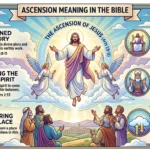
Luke 24:50–51 says that Jesus led His disciples out as far as Bethany and blessed them before He was taken up into heaven.
This makes Bethany a place connected not only with suffering and miracles but also with blessing, departure, and a new beginning.
The disciples had seen Jesus suffer, rise again, and then return to the Father. Their story did not end at Bethany. They were sent forward with hope.
This is an important spiritual message for Christians today: one season may end, but God can still be leading you into another.
Spiritual Significance and Symbolism of Bethany
The spiritual symbolism of Bethany is rich because so many important moments with Jesus happened there.
1. Bethany Represents God’s Presence in Pain
Bethany reminds us that faith does not mean we will never hurt.
Martha and Mary cried. Jesus Himself wept. Yet God was present in their pain.
If you are walking through a difficult season, the story of Bethany can bring comfort. Your tears do not mean that God has forgotten you.
2. Bethany Represents Resurrection Hope
Lazarus’s story points toward one of the central promises of Christian faith: Jesus has power over death.
The miracle in John 11 points beyond Lazarus. It points toward Jesus Himself as the resurrection and the life.
“I am the resurrection and the life.” — John 11:25
Bethany can therefore remind believers to keep hope even when a situation seems finished.
3. Bethany Represents Close Fellowship With Jesus
Jesus was welcomed into the home of His friends. This gives us a warm picture of Christian fellowship.
Faith is not only about rules. It is also about knowing Jesus, listening to Him, trusting Him, and making room for Him in our daily lives.
4. Bethany Represents New Beginnings
Jesus’ ascension from the area of Bethany reminds us that endings can lead to new assignments.
The disciples had to move forward after Jesus returned to heaven. In the same way, Christians may face seasons of change.
A door closing does not always mean God has stopped working. Sometimes it means a new chapter is beginning.
Biblical Interpretations of Bethany in Dreams or Real Life
If you see Bethany in a dream, it is important not to assume that the dream is automatically a direct message from God. The Bible encourages believers to seek wisdom, pray, and test spiritual impressions.
Still, Bethany may bring personal biblical themes to mind.
If the dream feels peaceful, it may remind you of God’s presence, friendship, rest, or hope.
If Bethany appears during a sad or difficult dream, you might reflect on the story of Lazarus and remember that God can meet you in grief.
If you see a home in Bethany, it may encourage you to think about fellowship, hospitality, family, or making time for God.
If you see Jesus in Bethany, reflect on His words in John 11:25 and His compassion toward Martha and Mary.
These are faith-based reflections, not guaranteed predictions. Prayer and Scripture should always guide Christian dream interpretation.
Practical Lessons and Faith Insights
Bethany teaches us to trust God in pain, make room for His presence, listen before rushing, and hold on to hope. When life feels confusing, pray honestly. Read Scripture. Talk with mature Christians. Remember that God can work even when you cannot see the answer yet.
Conclusion
The Bethany meaning in Bible carries a deep and beautiful spiritual message for anyone seeking hope, comfort, and a closer relationship with God. Bethany was not simply a village mentioned in Scripture.
It became the setting for some of the most touching moments in Jesus’ ministry. It was a place of friendship, family, tears, miracles, worship, teaching, blessing, and new beginnings.
The story of Mary, Martha, and Lazarus shows us that God is present even when life becomes painful. When Lazarus died, Martha and Mary experienced deep sorrow. Yet Jesus came to them.
He listened to them, shared their grief, and showed His power by raising Lazarus from the dead. This reminds us that God sees our pain and does not turn away from our tears.
Bethany also teaches us about faith during seasons of waiting. Jesus did not arrive when Martha and Mary expected Him to come. His timing seemed slow, but His plan was greater than they could understand.
Sometimes our prayers may seem unanswered. We may wonder why God has not acted yet. The story of Bethany encourages us to keep trusting Him, even when we cannot see what He is doing.

I am Adam Grant, an author at BibleMeaniing.com. I focus on sharing insightful Bible-based content that encourages reflection, learning, and personal development. My mission is to help readers discover the relevance of God’s Word in today’s world.