Have you ever opened the Bible when your heart felt heavy and found words that seemed to speak directly to you? Maybe you were afraid, sad, thankful, or simply looking for peace. The Book of Psalms has been a source of comfort for people in all these moments.
But what does psalm meaning in Bible really tell us?
A psalm is more than a religious song. It is a prayer, a poem, a cry, and an expression of faith. The Psalms show us that we can come to God with every part of our lives. We can praise Him when we are happy. We can cry to Him when we hurt. We can ask for help when we feel lost.
The word psalm is linked to the idea of a song or sacred poem sung with music. The Hebrew name for Psalms is Tehillim, which means praises.
The Psalms also teach us something beautiful: faith does not mean hiding our feelings. It means bringing those feelings to God.
So, what is the deeper biblical and spiritual meaning of a psalm? Let us explore what Scripture teaches and why these ancient songs still speak to our hearts today.
Biblical Meaning of Psalm in the Bible
The biblical meaning of psalm is closely connected to praise, prayer, worship, trust, and honest communication with God.
The Book of Psalms contains 150 songs and prayers. Different people wrote them, including David, Asaph, and other worshipers. David is connected with many of the Psalms.
The Psalms cover many human emotions. Some celebrate God’s goodness. Others express fear, sadness, anger, repentance, or hope.
This makes the Psalms special. They show us that we can speak honestly with God.
Psalms Mean Praise and Worship
One of the clearest meanings of a psalm is praise.
Psalm 150:6 says:
“Let everything that has breath praise the Lord.”
This verse shows the heart of the Psalms. God is worthy of praise because He is good, powerful, faithful, and loving.
When Christians read or sing a psalm of praise, they are reminded to focus on God’s goodness, even when life is difficult.
Psalms Mean Prayer
The Psalms are also powerful prayers.
Psalm 5:2 says:
“Listen to my cry for help, my King and my God, for to you I pray.”
This teaches us that prayer is not only about asking for things. It is also about bringing our hearts before God.
When you do not know what to say in prayer, a Psalm can give you words.
Psalms Mean Trust in God
Many Psalms teach us to trust God during hard times.
Psalm 23:1 says:
“The Lord is my shepherd; I lack nothing.”
The picture of God as a shepherd gives a message of care, protection, and guidance.
A shepherd watches over his sheep. In the same way, Psalm 23 reminds believers that God can guide and care for them.
Psalms Can Express Pain
The Psalms do not pretend that life is always easy.
Psalm 42:11 says:
“Why, my soul, are you downcast? Why so disturbed within me? Put your hope in God.”
Here, the writer openly speaks about sadness. Yet the verse ends with hope.
This is an important Christian lesson. Feeling sad or afraid does not mean you have lost faith. You can bring those feelings to God and still hope in Him.
Psalms Can Bring Spiritual Guidance
Psalm 119:105 says:
“Your word is a lamp for my feet, a light on my path.”
This verse connects God’s Word with guidance.
When you feel unsure about your next step, Scripture can help you think clearly and keep your heart close to God.
The biblical meaning of a psalm, therefore, is not limited to one idea. It can represent praise, prayer, repentance, comfort, wisdom, trust, and hope.
Spiritual Significance and Symbolism of Psalms
The spiritual significance of Psalms is found in the way they connect human hearts with God.
A psalm can help you slow down and remember that God is present.
For example, Psalm 46:10 says:
“Be still, and know that I am God.”
These words can be deeply comforting when life feels noisy or stressful. They invite us to stop, breathe, and remember who God is.
Psalms and Spiritual Growth
Reading Psalms can also support spiritual transformation.
A person may begin by reading a Psalm because they are afraid. Over time, that reading may help them develop deeper trust in God.
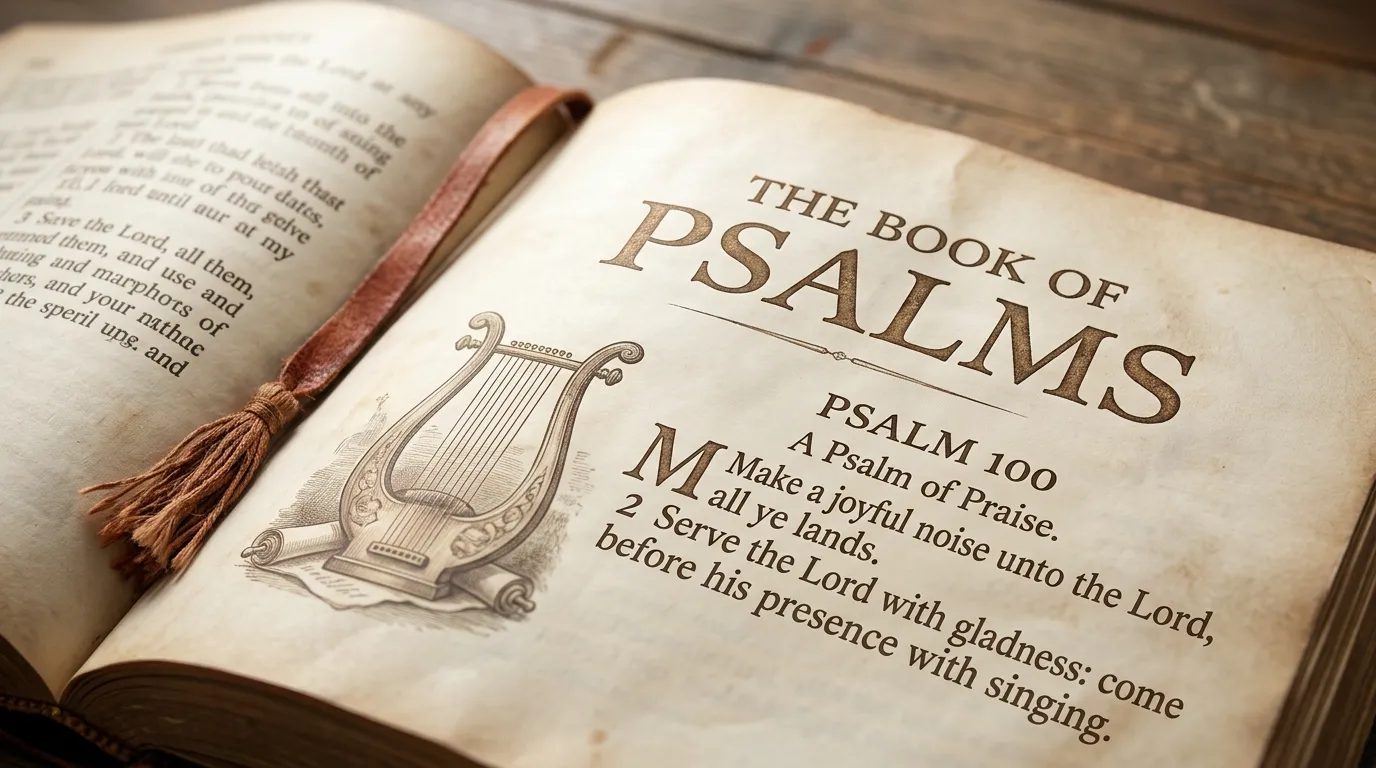
For example, someone facing a difficult decision might read Psalm 23 and pray for guidance. Another person who feels thankful might read Psalm 100 as an act of praise.
The lesson is simple: Psalms help us turn our attention toward God.
Psalms and Emotional Healing
The Psalms also remind us that God cares about our emotions.
You may feel lonely, worried, thankful, or hopeful. The Psalms contain words for all these experiences.
This can make Scripture feel personal. You may read a Psalm and think, “This is exactly how I feel.”
That connection can encourage prayer and strengthen faith.
Biblical Interpretations of Psalms in Dreams or Real Life
Some people search for the psalm meaning in Bible after seeing the word “psalm” in a dream or having a strong experience with a particular Psalm.
Christian dream interpretation should be approached with care. The Bible does contain dreams and visions, but not every dream is a divine message.
If you dream about reading a Psalm, singing one, or hearing Scripture, it may simply reflect something that has been important to you recently.
However, it can also become an opportunity for prayer and reflection.
Consider the Psalm involved. Was it about peace? Protection? Repentance? Praise? Guidance?
For example, dreaming about Psalm 23 may remind you of God’s care and guidance. A dream involving Psalm 91 may bring thoughts of God’s protection.
Still, do not make major life decisions based only on a dream. Compare everything with Scripture, prayer, wisdom, and sound Christian teaching.
Practical Lessons and Faith Insights
The Psalms invite us to bring our whole hearts to God.
Read a Psalm. Pray its words. Think about its message. When you are afraid, seek God’s peace. When you are thankful, praise Him. When you are confused, ask for guidance.
You do not need perfect words. God invites you to come honestly and trust Him.
Conclusion
The psalm meaning in Bible goes far beyond songs or poems. Psalms give us a beautiful way to praise God, pray honestly, find wisdom, and hold on to hope when life feels difficult.
They remind us that God welcomes us in every season, whether we are celebrating a blessing or walking through pain.
When you read a Psalm, take time to think about its message. Ask God to help you understand His Word and apply it to your life. Let its words strengthen your faith, calm your heart, and remind you of God’s faithful presence.
The Psalms also teach us that we do not have to hide our struggles from God. We can bring our fears, questions, tears, dreams, and hopes to Him. Through prayer and Scripture, our hearts can become stronger and our trust can grow.
So, when you are searching for guidance, peace, comfort, or hope, turn to the Psalms. Their message remains powerful because it points us back to the same faithful God.
Let every Psalm remind you that God hears your prayers, walks beside you, and gives you hope for tomorrow.

I am James Clear, an author at BibleMeaniing.com. I enjoy writing about biblical wisdom, personal growth, and practical faith. Through my articles, I help readers apply timeless scriptural principles to their daily lives and spiritual journey.