Have you ever seen fruit in a dream, during prayer, or at a meaningful moment and wondered what it could mean? A simple fruit can bring many thoughts to the heart. It may remind us of growth, harvest, sweetness, or even a choice we need to make.
In the Bible, fruit is much more than food. It is often used as a picture of spiritual growth, good works, character, blessing, and the results of our choices. From the Garden of Eden to the teachings of Jesus, fruit appears again and again in Scripture.
So, what does fruit mean in the Bible?
The Bible uses fruit in both physical and spiritual ways. Sometimes it points to God’s blessing and a life that honors Him. At other times, it warns us about bad choices, sinful behavior, or empty outward appearances.
Understanding the fruit meaning in the Bible can help us look at our own lives with fresh eyes. It can remind us that true faith is not only about what we say. It is also about what our lives produce.
Let us explore the biblical symbolism of fruit and the spiritual message it can bring to your faith journey.
Biblical Meaning of Fruit in the Bible
The fruit meaning in the Bible is closely connected to what comes from a person’s life. Fruit can show what is growing inside the heart.
Jesus taught this clearly in Matthew 7:16: “You will recognize them by their fruits.” He explained that good trees produce good fruit, while bad trees produce bad fruit. This gives fruit a strong meaning in Christian belief. Our actions, words, and character can reveal what is happening within us.
1. Fruit Represents Spiritual Growth
One of the most important meanings of fruit is spiritual growth.
A healthy tree does not produce fruit overnight. It grows over time. In the same way, Christian growth is a process. Prayer, faith, obedience, patience, and trust in God slowly shape our character.
Galatians 5:22–23 speaks about the fruit of the Spirit:
- Love
- Joy
- Peace
- Patience
- Kindness
- Goodness
- Faithfulness
- Gentleness
- Self-control
These qualities are called fruit because they should become visible in the life of a believer.
2. Fruit Can Symbolize Good Works
Fruit can also point to the good things a person does.
Colossians 1:10 speaks of believers “bearing fruit in every good work.” This shows that faith should lead to action. When God’s love changes us, it should affect how we treat others.
A kind word, an act of mercy, forgiveness, honesty, and helping someone in need can all be examples of spiritual fruit.
3. Fruit Can Mean Blessing and Abundance
In Scripture, fruit can also represent blessing, prosperity, and abundance.
The Promised Land was described as a place filled with fruitful crops in passages such as Deuteronomy 8:7–8. Fruit could show that the land was rich and that God had provided for His people.
Psalm 1 gives another beautiful picture. A person who delights in God’s law is compared to a tree planted by streams of water that “yields its fruit in its season” (Psalm 1:3).
This is a message of hope. God’s work in your life may take time, but the right season can come.
4. Fruit Can Be a Warning
The Bible also uses fruit as a warning.
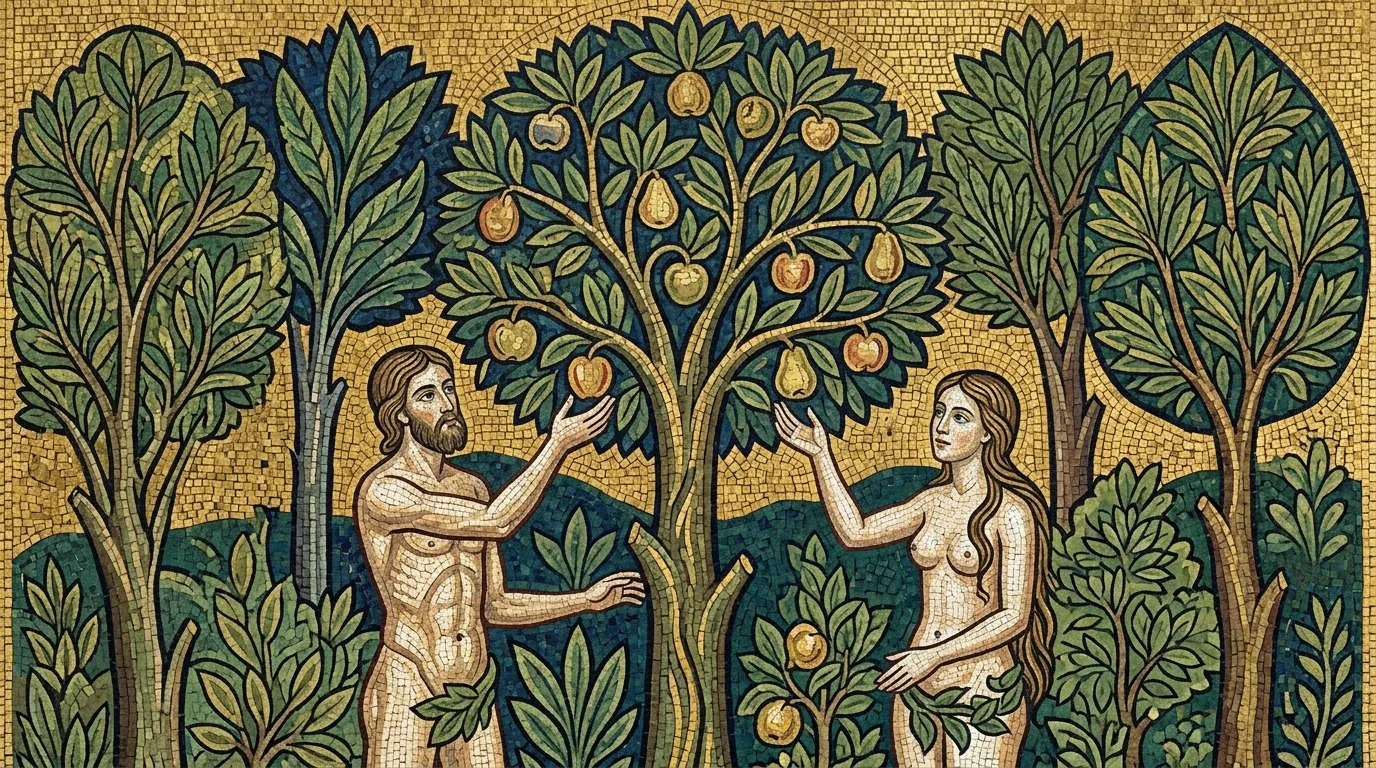
In Genesis 3, the fruit of the forbidden tree became part of humanity’s story of sin and disobedience. The issue was not simply the fruit itself. It was the choice to reject God’s command.
This reminds us that something can look attractive while leading us away from God.
Jesus also warned about false prophets in Matthew 7:15–20. Their true character would be known by their fruit. In this sense, fruit can reveal whether something is good or harmful.
5. Fruit Represents the Results of Our Choices
Fruit can be seen as the result of what we plant and nurture.
Galatians 6:7 says, “A man reaps what he sows.” The choices we make today can shape what appears in our lives later.
When we sow kindness, truth, prayer, and faith, we can help produce good spiritual fruit. When we repeatedly choose anger, pride, hatred, or dishonesty, those choices can also produce painful results.
This makes the biblical symbolism of fruit deeply personal.
Spiritual Significance and Symbolism of Fruit
Spiritually, fruit reminds us that God cares about what grows in our hearts.
A tree may look strong on the outside, but its fruit tells us more. In the same way, Christian life is not only about appearance. God looks at the heart and the life that flows from it.
John 15:5 gives one of the strongest pictures of this truth. Jesus says, “I am the vine; you are the branches.” He explains that people who remain in Him can bear much fruit.
This teaches an important lesson: spiritual fruit comes from staying connected to Christ.
You may feel like you are growing slowly. You may pray and wonder why nothing seems to change. But growth is often quiet. Just as fruit develops little by little, God may be changing your heart in ways you cannot yet see.
Fruit can also represent transformation. Perhaps you once struggled to forgive, but now you can let go. Maybe fear once controlled you, but now you trust God more. These changes can be signs of spiritual growth.
Fruit may also call you to examine your life. Ask yourself: What am I producing through my words, habits, and choices? Does my life show love, peace, and faith?
These questions can lead to prayer and deeper spiritual awakening.
Biblical Interpretations of Fruit in Dreams or Real Life
Seeing fruit in a dream or real-life moment can have many personal meanings, but Christians should be careful not to treat every dream as a direct divine message.
The Bible does contain dreams and visions, but Scripture also teaches believers to seek wisdom and test what they experience.
A dream of fresh, ripe fruit may remind you of growth, blessing, joy, or a season of harvest. It may encourage you to notice the good work God is doing in your life.
Rotten or spoiled fruit could serve as a personal reminder to examine unhealthy habits, relationships, or attitudes. The image may prompt reflection, but it should not automatically be treated as a prophecy.
Seeing many fruits may bring thoughts of abundance and provision. Seeing a tree with no fruit may remind you of spiritual dryness or the need to return to God.
The best response is prayer. Ask God for wisdom, compare your thoughts with Scripture, and avoid fear-based interpretations.
Practical Lessons and Faith Insights
Fruit teaches us to trust God’s timing. Growth takes time. Stay close to Christ through prayer, Scripture, worship, and obedience.
Focus less on trying to look fruitful and more on allowing God to change your heart. Ask Him to produce love, peace, patience, and self-control in your daily life.
Remember: healthy roots lead to healthy fruit.
Conclusion
The fruit meaning in the Bible carries a deep and beautiful message about faith, spiritual growth, character, choices, and God’s work in our lives. Throughout Scripture, fruit is more than something we eat. It becomes a picture of what grows within us and what our lives produce.
Jesus teaches that a tree is known by its fruit. This reminds us that true faith should become visible through our actions, words, attitudes, and relationships.
When we walk closely with Christ, our lives can begin to show the fruit of the Spirit, including love, joy, peace, patience, kindness, goodness, faithfulness, gentleness, and self-control.
Fruit can also remind us about God’s blessings and timing. A tree does not produce fruit in one day. It needs roots, water, sunlight, patience, and time.
Our spiritual journey can be the same. Sometimes we may feel like nothing is happening, but God may be working quietly beneath the surface.
At the same time, biblical fruit can be a warning. Bad fruit can point us toward unhealthy choices, sinful habits, false teaching, or a heart that has moved away from God’s ways. This gives us a reason to pause and examine our lives with honesty and prayer.

I am Colleen Hoover, an author at BibleMeaniing.com. I am passionate about exploring biblical teachings and sharing meaningful insights that help readers understand Scripture more deeply. My goal is to make God’s Word relatable and inspiring for everyday life.